
This long-form article explores the various motivations behind why people choose to purchase insurance. It delves into specific scenarios and needs that prompt individuals and families to seek different types of insurance coverage to protect their assets, health, and well-being. Insurance serves as a safety net, safeguarding against unforeseen circumstances and providing peace of mind to policyholders.
Why is Auto Insurance Important?
Auto body repair insurance is crucial for covering accidental damages that can be costly and unexpected. Even minor collisions or parking lot mishaps can lead to significant repair expenses. Having insurance ensures that these costs do not strain one’s finances and that the vehicle can be restored to its previous condition.
Vandalism is another situation where auto body repair insurance proves invaluable. Acts of vandalism can leave a vehicle’s exterior damaged, requiring professional repairs. Insurance coverage can help mitigate these repair costs, allowing vehicle owners to maintain their cars without suffering financial setbacks.
Weather-related damages are also a common concern for vehicle owners. Whether it’s hail, heavy storms, or other natural events, the impact on a vehicle can be extensive. Insurance not only provides financial protection but also ensures that the vehicle remains operable and safe for driving after any such weather-related incidents.
How do Chiropractors Influence Health Insurance Decisions?
Local chiropractors play a significant role in influencing health insurance choices through their focus on managing chronic pain. Regular visits to chiropractors for conditions like back or neck pain can be an integral part of an individual’s health care plan. Insurance coverage helps lighten the financial burden of these ongoing treatments, making them more accessible to the average person.
Chiropractic care offers essential support in recovery and rehabilitation, which further impacts health insurance decisions. Whether recovering from surgery or an injury, chiropractic treatments can facilitate the healing process. Insurance that covers these therapies ensures that patients receive the necessary care without additional financial stress.
Alternative health treatments provided by chiropractors often persuade individuals toward certain insurance plans. These treatments sometimes include services like acupuncture or massage therapy, which might not be covered under standard insurance. Individuals often opt for policies that include broader coverage of alternative therapies, recognizing their benefit in maintaining overall health.
What is the Role of Home Health Care in Long-term Health Insurance?
Home care is a vital consideration in long-term health insurance, particularly for supporting elderly family members. Aging individuals often require assistance with daily tasks or specialized medical care, which can be delivered effectively at home. Insurance plans that cover such services lighten the load on family members and guarantee quality care for the elderly.
Individuals with disabilities frequently rely on comprehensive home care services. Whether it involves regular therapy or specialized equipment, meeting these needs at home can enhance comfort and quality of life. Insurance that covers these aspects ensures that disabled individuals receive uninterrupted support tailored to their unique circumstances.
Post-surgery recovery is another critical area where home care figures in insurance deliberations. Many individuals prefer recuperating at home, where they are more comfortable, rather than in a hospital setting. Suitable insurance facilitates this recovery approach by funding home care services, thereby promoting faster healing in familiar surroundings.
Why Do Pet Owners Consider Insurance for Emergency Vets?
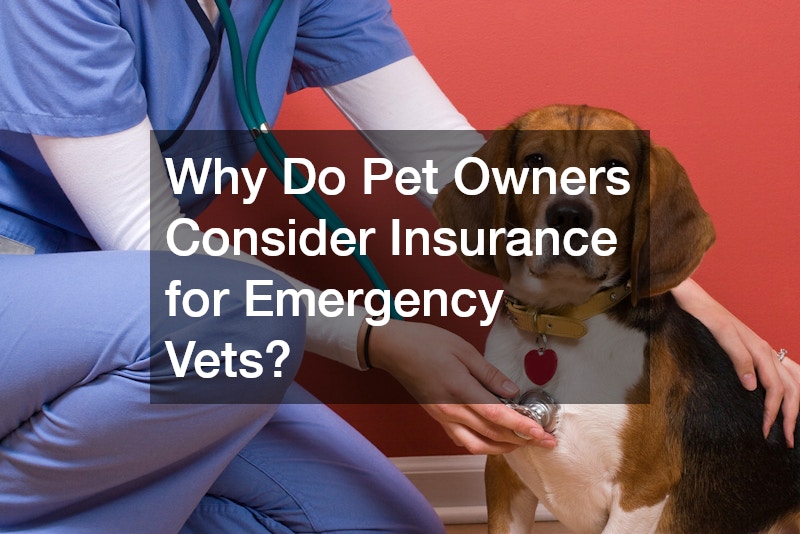
Pet owners often face costly emergency procedures when their beloved animals require immediate veterinary attention. Sudden illnesses or accidents can lead to unexpected trips to the local emergency vet, where fees can quickly accumulate. Insurance for these scenarios helps mitigate costs and ensures that pets receive prompt and necessary care.
The availability of immediate care is an essential factor motivating pet owners to consider insurance. Local emergency vets provide critical services that can be the difference between life and death for a pet. Insurance coverage ensures that those services are accessible without delay, granting peace of mind to pet owners.
Specialty vet treatments are another aspect where insurance can ease financial pressures. Some pets require advanced procedures or treatments that are beyond the capabilities of regular veterinarians. With appropriate insurance, owners can pursue these options without hesitating due to cost concerns, ensuring their pets receive the best possible care.
How do Auto Services Affect Car Insurance Choices?
The variety of repair needs plays a significant role in shaping car insurance choices. Different vehicles may need specific types of maintenance or parts, and insurance policies that account for these variances offer better protection. Selecting the right insurance plan means ensuring comprehensive coverage for all potential repair requirements.
The impact on insurance premiums further underscores the importance of repair services in decision-making. Utilizing high-quality auto repair services can help maintain a vehicle’s value, consequently impacting insurance costs. Policyholders often balance immediate expenses with long-term savings on premiums and repair fees.
The quality of service and parts provided by auto repair services is critical when considering insurance. Insurance plans that collaborate with credible repair shops ensure that vehicles are serviced with high standards and parts. This collaboration gives owners assurance that their investments in both insurance and vehicle are well-protected.
Why is Towing Insured by Many Vehicle Owners?
Unexpected breakdowns are a primary reason many vehicle owners insure their cars with towing services. A sudden mechanical failure can leave drivers stranded and helpless, necessitating immediate assistance. Insurance that includes towing services offers expedient solutions while mitigating the stress of unforeseen vehicle issues.
The convenience and peace of mind provided by towing insurance make it an attractive choice for vehicle owners. Breaking down on a busy highway or remote location can be daunting, and having insurance guarantees quick and professional rescue. This assurance renders towing insurance a worthwhile investment against potential inconvenience and danger.
Long distance towing needs further highlight the importance of such insurance. Traveling extensive distances from home means that a breakdown requires more elaborate logistics to resolve. Towing insurance addresses this concern by covering the costs of transporting both the vehicle and sometimes its passengers back home or to the nearest service center.
When Should Pet Owners Consider Vet Insurance?
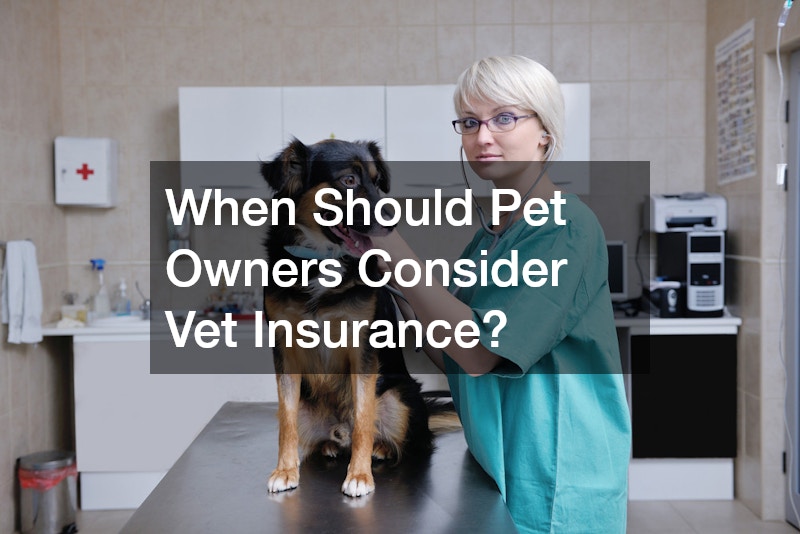
Routine check-ups and maintenance are fundamental considerations for acquiring pet vet insurance. Regular veterinary visits are crucial for maintaining a pet’s health, detecting issues early, and preventing serious conditions. Having insurance ensures that these routine expenses are manageable and under control.
Coverage for major surgeries is another vital reason pet owners may opt for insurance. Surgical procedures for pets can be surprisingly expensive and are often unavoidable when health issues arise. Insurance provides the financial support necessary to weather these significant medical events without compromising the pet’s care.
Breed-specific health concerns showcase yet another reason why insurance for pets is essential. Certain breeds are predisposed to specific medical problems, which can increase veterinary expenses over the animal’s life. Insurance tailored to these risks ensures that owners can meet their pets’ needs without undue financial burden.
What is the Significance of Brain Injury in Liability Insurance?
Brain injury attorneys provide critical legal support in complex liability insurance cases. Brain injuries often entail long-term consequences requiring substantial medical and rehabilitative care. These attorneys ensure insurance covers fair compensation, catering to immediate and future needs of the afflicted party.
Compensation for long-term effects is often necessitated due to the nature of brain injuries. The lifetime impact on the injured individual can affect earning capacity, quality of life, and independence. Attorneys specializing in this field work towards achieving settlements that adequately address long-term care, living expenses, and future earnings.
The role of brain injury attorneys in settling disputes is indispensable in the field of liability insurance. Given the intricate medical and legal matters involved, these professionals bring expertise that facilitates amicable and fair agreements. Their involvement ensures that all parties engage constructively, ultimately leading to resolutions that reflect the best interest of the victim.
How Does Understanding Injury and Workers’ Comp Law Benefit Insurance Holders?

Understanding injury law is essential for insurance holders navigating personal injury claims. Knowledge of legal rights and procedures empowers individuals to effectively manage claims, ensuring they receive due compensation. This comprehension can safeguard against potential disputes with insurers, making the claims process smoother.
The impact on coverage limits underscores the importance of injury law knowledge. Understanding policy stipulations helps holders accurately assess their coverage, avoiding unexpected out-of-pocket expenses. Educated insurance holders make informed decisions, optimizing their coverage according to personal and legal prerequisites.
The importance of legal representation cannot be overstated when dealing with insurance companies. Insurance policyholders aware of their rights can better leverage representation to assert entitlement and contest unfair treatment. This legal insight ensures equity and justice in handling and settling injury-related claims.
Why Do People Consider Insurance When Planning for Funerals?
Managing funeral costs is an often overwhelming concern that prompts many to consider insurance. The high expenses associated with funeral homes can place significant financial strain on families during an already difficult time. Funeral insurance plans offer financial relief, covering various service costs and alleviating stress on loved ones.
Pre-planning for peace of mind is another compelling reason for obtaining funeral insurance. Arranging details in advance helps ensure personal wishes are honored and reduces the burden of decisions on family members. This planning becomes a gift of peace, allowing families to focus on remembrance rather than details.
Options for custom funeral arrangements drive many to evaluate insurance plans tailored for funerals. Preferences for personalized services, ranging from ceremonies to interment choices, require financial backing. Insurance coverage allows for specialized desires to be fulfilled without imposing unexpected costs on the family members left behind.
Insurance is a crucial component in managing risk across various facets of life. From vehicle protection to health and legal support, each type serves to safeguard assets and well-being under different circumstances. Careful consideration of these reasons can lead individuals to make well-informed insurance choices relevant to their unique situations.
Understanding how different types of insurance work together helps create a more complete approach to protection. Rather than viewing policies in isolation, individuals benefit from recognizing how coverage can overlap and support one another. This broader perspective allows for more balanced planning and fewer gaps in protection.
Insurance also plays an important role in reducing uncertainty during unexpected events. When coverage is in place, individuals can focus on addressing the situation at hand instead of worrying about financial strain. This sense of security supports calmer decision-making and helps maintain stability during challenging moments.
Regularly reviewing insurance coverage is another key aspect of effective risk management. As circumstances change, such as career shifts, family growth, or asset acquisition, insurance needs often evolve as well. Staying informed and making timely adjustments helps keep coverage aligned with current priorities.
From a financial standpoint, insurance contributes to long-term stability by helping manage potentially significant expenses. By spreading risk over time, policies can reduce the impact of sudden losses and support more predictable financial planning. This approach helps protect both short-term resources and long-term goals.
Ultimately, thoughtful insurance choices support peace of mind and preparedness. By understanding available options and how they apply to personal situations, individuals can make confident decisions that strengthen protection. This awareness reinforces insurance as a practical tool for managing risk and supporting everyday life.